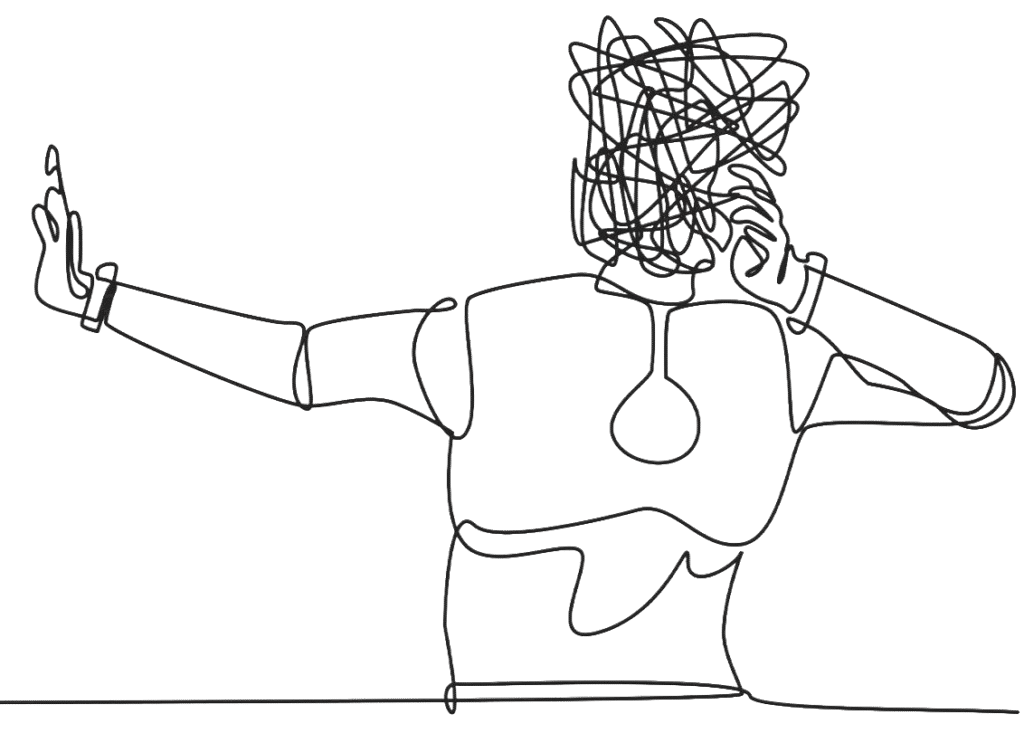
Trauma is not only about what happened. It is about how those experiences continue to live in your body and mind.
Trauma can result from a single overwhelming event or from ongoing experiences such as neglect, emotional invalidation, or repeated stress. What makes an experience traumatic is not just the event itself, but the sense of fear, helplessness, or disconnection that comes with it.
People often associate trauma with extreme events, but it can also include:
Trauma is more common than many people realize.
⠀
These findings help us understand that trauma responses are not signs of weakness. They are adaptations to overwhelming experiences.
Trauma can affect people in different ways, sometimes in ways that are not immediately obvious.
You may notice:
⠀
Research in trauma and stress has shown that these responses are linked to how the nervous system adapts to overwhelming experiences, particularly in relation to the fight, flight, freeze, or shutdown responses.
Trauma healing is not about “getting over it.” It is about making sense of what happened and how it has affected you, while building new experiences of safety and connection.
In counselling, we may focus on:
If something in these pages resonates with you, you are welcome to reach out. You can share as much or as little as you feel comfortable with, whether it’s a brief question or a few thoughts about what you’re going through.
I’m Jack Wong, a Registered Social Worker in Vancouver, and I offer counselling support tailored to your needs. You can contact me by email or through the contact form. From there, we can arrange a free 15-30 minute consultation to see if this feels like a good fit for you.
Copyright © 2026 Loneliness Hub
Loneliness Hub is gratefully located on the territories of the the xʷməθkʷəy̓əm (Musqueam), Sḵwx̱wú7mesh (Squamish), and səlilwətaɬ/Selilwitulh (Tsleil-Waututh) Nations.